A split end is exactly what it sounds like: the hair shaft has frayed into two or more strands at the tip, the way a rope unravels. Once that split exists, no product can fuse the shaft back into a single strand permanently. Conditioners and oils can coat it, smooth it, and make it behave for a day. The split is still there, and it is still traveling.
That traveling is the real cost of waiting, and it is the part most people in Monroe underestimate when they skip trims at The Directors' Cut to preserve length. A split does not stay politely at the last quarter inch. It climbs.
How a small problem becomes a big cut
The mechanics are simple. A split tip catches on neighboring hairs, on brushes, and on fabric. Each catch tugs the split a little further up the shaft. Meanwhile the thinned, split section is weaker than the hair above it, so it breaks more easily, which creates more rough ends, which catch more. By the time ends look visibly thin and stringy, the damage zone is often several inches deep, and the only clean fix is cutting above the highest splits.
That is the arithmetic behind the familiar complaint that a stylist took off more than asked. A quarter-inch dusting works only when it is done while the damage is still a quarter inch deep. Wait six months and the same hair may need two or three inches removed to reach solid shaft again. The small trims were never the threat to your length. The waiting was.
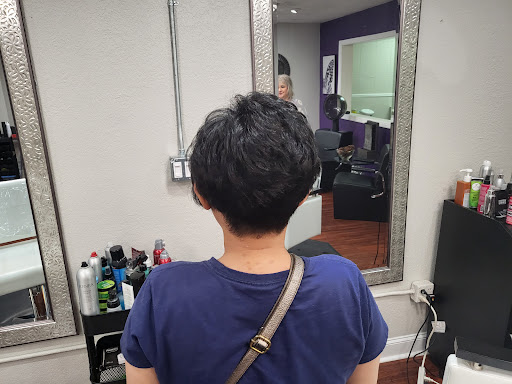
What products can and cannot do
Products earn their place in prevention and appearance, not repair. Leave-in conditioners and oils reduce friction, which slows new splits forming. Bond-building treatments can strengthen weakened hair and reduce breakage along the shaft. Silicone serums coat a split end so it lies flat and looks sealed under light for a day or two.
None of them rejoin the shaft. Hair is not living tissue; it has no healing process. That is not a marketing failure, it is biology. Judge any product claiming to repair split ends permanently by that standard. Use the good products for what they genuinely do, protect the hair you have, and let trims do the one job only trims can do.
Slowing the next round of splits
Splits start where hair is oldest and most handled: the ends. Heat without protection, rough towel-drying, brushing dry curls, tight elastics in the same spot daily, and chemical services layered on already-tired ends all accelerate fraying. The countermeasures are dull and effective. Pat or squeeze hair dry instead of scrubbing it with a towel. Detangle wet hair gently from the ends upward. Use heat protection and moderate temperatures. Move ponytail placement around. Sleep with hair loose or in a soft, low arrangement rather than a tight top knot every night.
Chemical timing matters too. If you color, highlight, or get keratin services in Monroe, keep trims on the same calendar rather than treating them as a separate, postponable thing. Freshly serviced hair with freshly trimmed ends is the combination that holds up; serviced hair with frayed ends shows every bit of wear within weeks.
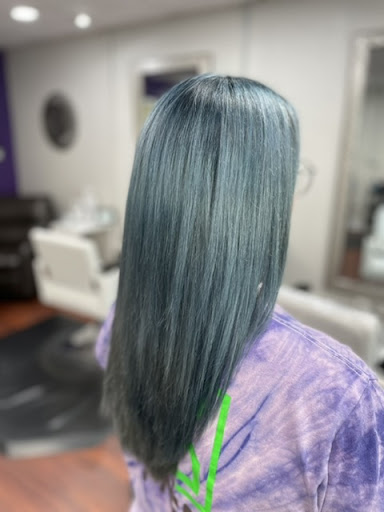
The dusting habit
Ask for a dusting when you do not want a change: the smallest trim that removes the damaged tips, often an eighth to a quarter inch, done on schedule. Tell the stylist plainly that length is the priority and that you are booking for maintenance. That conversation turns trims from an event you dread into routine upkeep, and over a year, hair trimmed lightly every two months is almost always longer and fuller-looking than hair left alone for eight months and then cut hard. Skipping is what costs length. The scissors, used early and lightly, are what save it.
Common questions
Can split ends really travel up the hair?
Yes. A split weakens the tip, catches on other hairs and fabric, and gradually extends further up the shaft. The longer it is left, the more length a trim eventually has to remove.
How can I tell if I have split ends?
Look at the last inch of hair in good light. Ends that look lighter, thinner, or fuzzy, single hairs splitting into a Y shape, and tangling concentrated at the tips are the usual signs.
Does cutting hair make it grow faster?
No. Growth happens at the scalp at a set rate. Trimming helps hair appear to grow better because the ends stop breaking off, so the length you gain is actually kept.
← All guides from The Directors' Cut← Back to The Directors' Cut