There is no correct number of washes per week, and anyone who gives you one without asking about your hair is guessing. The right frequency depends on how much oil your scalp produces, how your hair texture carries that oil, how active you are, and what products you use. A fine-haired person in Monroe who runs daily and a person with thick coily hair who works at a desk can both be washing correctly, one daily and one weekly.
This is a walkthrough for finding your own interval, written for someone starting from scratch. The Directors' Cut stylists ask these same questions when a client complains that their hair is either always greasy or always dry, because the wash routine is usually the cause of both.
Step by step: finding your wash rhythm
- Start from a clean baseline. Wash thoroughly once, ideally with a clarifying shampoo if you have weeks of product buildup, so you are judging your scalp from zero rather than through a layer of residue.
- Note your hair type honestly. Fine, straight hair shows oil fast because oil travels down a straight, thin shaft easily. Thick, wavy, curly, and coily hair slows oil down, which is why those types usually go longer between washes and suffer more from over-washing.
- Watch the clock, not the calendar. After your baseline wash, note when your roots first look or feel oily. Day one points to a frequent-wash rhythm; day three or later points to a spaced-out one. That signal is more useful than any general rule.
- Shampoo the scalp, not the lengths. Work shampoo into the scalp with fingertips, let the rinse carry suds through the ends, and condition the mid-lengths and ends only. Most greasy-hair complaints are really technique problems.
- Try the double cleanse if one wash never feels clean. A first quick shampoo lifts oil and product; a second, smaller one actually cleans the scalp. This suits heavy product users, very oily scalps, and people stretching several days between washes.
- Adjust one variable at a time for two weeks. Add a day, or remove one, and keep everything else the same. Change shampoo and schedule in the same week and you will never know which change helped.
- Use dry shampoo as a bridge, not a replacement. Applied before bed, it absorbs oil overnight and can buy an extra day. If your scalp itches or flakes build up, that is the sign the bridge has gone too far and a real wash is due.
Signs you are washing too much, or too little
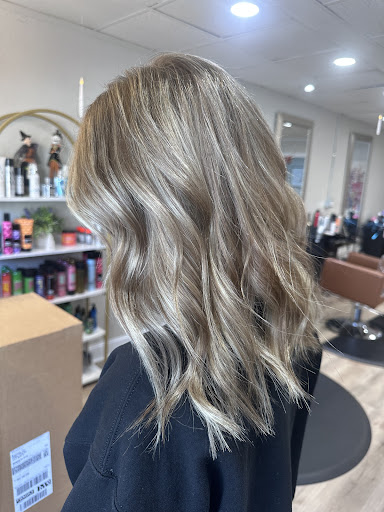
Too little washing shows up at the scalp: itch, visible flakes of buildup, a sour smell at the roots, and hair that looks separated and stringy at the top while the ends are fine. Too much washing shows up in the lengths: dryness, frizz, fading color, and ends that tangle and snap. Interestingly, both extremes can produce an oily-looking scalp. Under-washing obviously does. Over-washing can too, when a stripped scalp is washed with harsh shampoo daily and the hair never settles, though claims that scalps dramatically overproduce oil in response are stronger than the evidence behind them.
Activity resets the math. Summer in Monroe means sweat, sunscreen near the hairline, and pool or lake days, all of which justify more frequent washing or at least a rinse. A winter desk worker may need less. Think of your interval as seasonal, with a summer and a winter setting, rather than a fixed identity.
What changes with color, age, and treatments
Colored hair argues for fewer washes with gentler shampoo, since every wash costs some pigment. Gray hair is often coarser and drier in texture, which usually stretches the interval. Fine hair that is also colored is the common hard case: it looks oily quickly and fades quickly, and the usual answer is lukewarm water, scalp-focused technique, and dry shampoo to stretch an extra day rather than more washing.
Kids, athletes in season, and people in jobs with hats and helmets all land on the frequent end for practical reasons, and that is fine. Frequency itself is not the enemy. Harsh shampoo, hot water, and skipping conditioner on the lengths are what make frequent washing costly.
The short version to start with
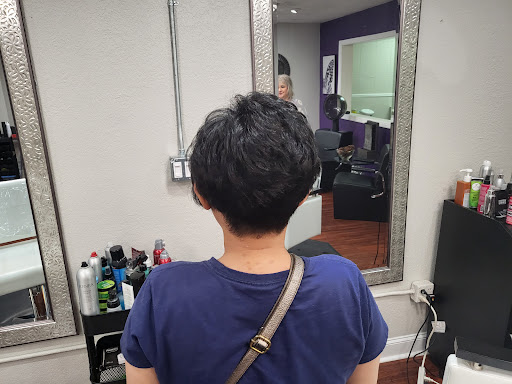
If you want a starting point before experimenting: fine or straight hair usually lands on every one to two days, wavy hair on every two to four days, curly hair on every three to five, and coily hair on a weekly rhythm with conditioning washes in between for some people. Treat those as hypotheses. Run the two-week test above, watch your scalp and your ends, and settle where both look right. That interval, found by observation, is the correct answer for your hair.
Common questions
Is it bad to wash my hair every day?
Not automatically. Daily washing with a gentle shampoo suits fine, oily hair and very active people. It becomes a problem when the shampoo is harsh, the water is hot, and the lengths dry out and fade.
What is a double cleanse and do I need one?
It is two shampoos in one shower: the first lifts oil and product, the second cleans the scalp. It helps heavy product users and people who go several days between washes, but not everyone needs it.
Can I train my hair to need less washing?
You cannot change how much oil your scalp glands produce, but better technique, double cleansing, and dry shampoo often let people comfortably stretch an extra day. The improvement is real even if the glands never change.
← All guides from The Directors' Cut← Back to The Directors' Cut