Heat is not the enemy of healthy hair. Unmanaged heat is. A blow-dryer and a flat iron used at sensible temperatures, on dry hair prepared with protectant, do a fraction of the harm done by a maximum-setting iron passed slowly over the same damp section five times. Most heat damage seen in Monroe chairs comes from technique, not from owning the tools.
The stylists at The Directors' Cut handle blowouts and Brazilian blowout and keratin work regularly, and the advice they give for home styling is mostly a short set of habits. This how-to covers those habits in the order you would actually use them, from wet hair to finished style, and marks clearly where home care ends and a professional service is the better tool.
The routine, in order
- Start with the wash. Conditioned hair tolerates heat better than dry, tangled hair. On styling days, condition the mid-lengths and ends and rinse with lukewarm water, then squeeze water out with a towel or old T-shirt rather than scrubbing.
- Apply heat protectant to damp hair, evenly. Spray or cream protectant only works where it lands, so work it through in sections instead of misting the top layer once. Include the front and the ends, the oldest and most fragile hair.
- Rough-dry to mostly dry before any brush work. Aim for about 80 percent dry with the dryer moving and on medium heat. Hair is weakest when wet, and dragging a round brush through soaking hair under heat combines mechanical and thermal stress at the worst moment.
- Use the sizzle test before an iron touches hair. Hair must be fully dry before a flat iron or curling iron. If a strand hisses or steams on contact, it is still damp inside, and that steam is what cooks the shaft. Wait, or finish drying first.
- Set temperature for your hair type, not the maximum. Fine or lightened hair styles at the low-to-middle settings; only coarse, resistant hair needs the upper range. If a single steady pass does not do the job, the usual fix is a smaller section, not more heat and more passes.
- Work in sections and keep tools moving. Thin sections heat evenly with one or two passes. Pausing an iron in one spot, or clamping the same piece repeatedly, concentrates damage exactly where the hair will later break.
- Let styled hair cool before touching it. Cooling sets the shape, so curls last longer and get handled less. Finish with a light oil or serum on the ends only if your hair tends to look dry, keeping product off the roots.
- Give hair days off. Alternate heat days with air-dried or braided styles when your schedule allows. Hair tolerates regular moderate heat far better than daily maximum heat with no breaks.
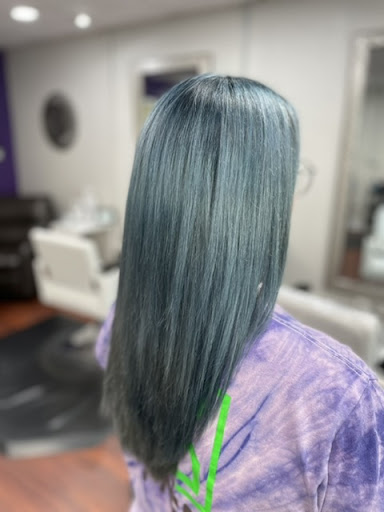
Reading the warning signs
Hair tells you when heat has gone too far. Ends that stay rough and straw-like after conditioning, curls that no longer spring back where they used to, breakage showing as short flyaway pieces along the top layer, and color that fades oddly fast all point to thermal damage. The pattern matters: damage from irons shows most on the front, the top layer, and the ends, because those get the most passes and the highest cumulative heat.
At that stage, lower the temperature, cut the passes, and add conditioning and trims. Heat-damaged hair cannot be permanently restored, since the shaft is not living tissue, but stopping the cause lets new growth replace the damage over time, and trims remove the worst of it on a schedule.
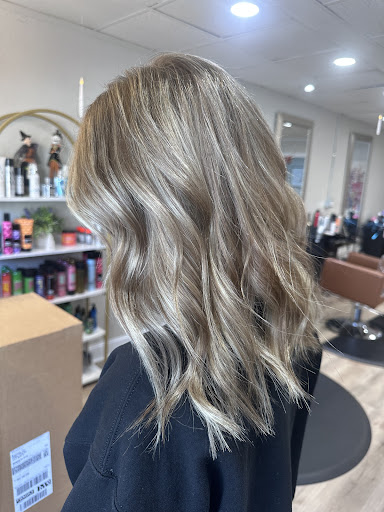
Where the professional line is
Home heat styling is for shaping healthy hair day to day. The professional line arrives when you want a durable change in how the hair behaves: a Brazilian blowout or keratin treatment to cut drying time and frizz for months, or color and lightening that will raise the hair's heat sensitivity and change what temperatures are safe afterward. After any lightening service in Monroe, assume your safe heat range just dropped, and style at lower settings until your stylist says otherwise.
The other professional judgment call is damage triage. If ends are breaking faster than they grow, a stylist can tell in one look how much is heat, how much is chemical, and how much needs to come off. That assessment saves people from spending months conditioning hair that only scissors can help.
Common questions
What temperature should I set my flat iron to?
Start at the low-to-middle settings for fine, lightened, or damaged hair and go up only if a single pass on a small section does not style it. Coarse, healthy hair tolerates the upper range best.
Does heat protectant really do anything?
Yes, when applied evenly to damp hair before drying. Protectants coat the shaft and slow heat transfer and moisture loss. They reduce damage meaningfully but do not make maximum heat harmless.
Why does my hair steam when I iron it?
That is water still inside the shaft turning to steam, a sign the hair was not fully dry. Stop, finish drying it completely, and only then go back to the iron.
← All guides from The Directors' Cut← Back to The Directors' Cut