A good event day runs on a checklist, not on hope. Weddings and proms in Monroe compress a lot into a few hours: hair, makeup, photos, travel, and a hard start time that does not move. The people who look calm in those photos usually are not lucky. They worked a list, in order, weeks ahead.
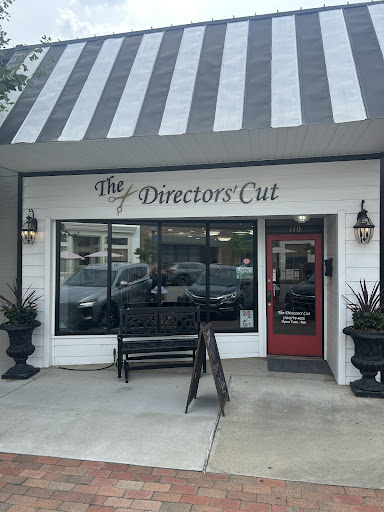
The Directors' Cut offers formal-occasion makeup alongside haircuts, color, and special styling, which makes it a useful place to think about the whole sequence rather than hair alone. The checklist below is organized the way the work actually happens: decisions first, trial second, the week of the event third, and the day itself last, with the pass and fail signs that tell you whether each stage is on track.
Event hair checklist, in working order
- Book early. Pass: the salon appointment and trial are both on the calendar as soon as the event date is fixed. Fail: you are asking about a spring Saturday a few weeks out and hoping for a cancellation.
- Settle the style direction. Pass: two or three reference photos that agree with each other and suit your length. Fail: a folder of twenty photos ranging from short bobs to waist-length waves.
- Match hair to dress and neckline. Pass: you have shown your stylist a photo of the dress. Fail: the neckline question is decided in the chair on the day, with the style already built.
- Do the trial four to eight weeks out. Pass: you wore the finished style for hours and know how it holds and feels. Fail: the first full attempt happens on the event morning.
- Schedule color and trims in advance. Pass: color is done one to two weeks before, ends are trimmed, and nothing chemical is new in the final days. Fail: a first-time color or a big change lands the same week as the event.
- Confirm the day-of order. Pass: a written sequence covers who sits in which chair when, with the person needed earliest for photos scheduled first. Fail: the order gets negotiated in the room while the clock runs.
- Prepare the kit. Pass: veil or headpiece, touch-up pins, a small spray, lip product, and a phone charger are packed the night before. Fail: the headpiece is still at home when styling starts.
- Wear the right top. Pass: a button-front or wide-neck shirt that comes off without touching finished hair. Fail: a fitted crew neck that has to be pulled over an updo.
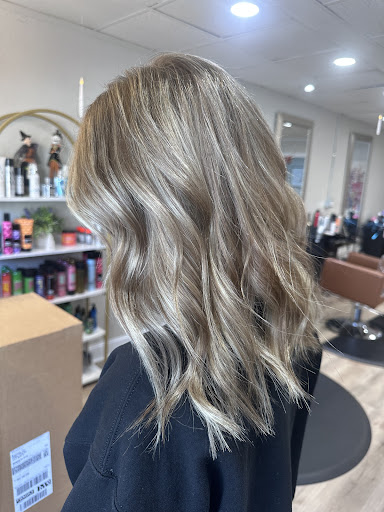
How to run the trial like a test
A trial that ends with a mirror check in the salon has tested only appearance. Wear the style out the door. Run errands, drive with the windows cracked, hug somebody, and check it at hour three and hour five. Note where it loosened, whether pins hurt by afternoon, and how the front looks in ordinary photos rather than salon lighting. Bring those notes back. A stylist can fix a known weak point with different placement or product; an unreported one will simply repeat itself on the day.
Bring everything that touches the hair: the veil, comb, clips, or hat, plus statement earrings if you will wear them. A headpiece changes where volume can sit and where pins can anchor, and finding that out at the trial is the entire point of having one.
The week of, and the morning itself
Work down the list in the final week. Deep condition about a week out rather than the night before, since very soft hair can resist pins and hold. Wash timing follows the trial plan: many styles sit best on hair washed the day before and completely dry, while fine or oily hair may be washed the same morning. Confirm arrival times, eat a real breakfast, and build a buffer of at least half an hour into the schedule. In Monroe, add weather to that buffer: a summer thunderstorm or heavy humidity can slow travel and soften styles, and a pinned style with a rain backup plan beats a fragile one with none.
On the day, one person holds the schedule. Too many coordinators produce the classic failure where everyone is mid-task and no one is finished. Finished beats perfect: hair that is done, photographed, and intact at the start time is the goal the checklist serves.
For the whole party, not just one person
When several people are being styled, sequence by role and by style complexity. The most complicated style goes early, while the stylist is fresh and there is time to adjust it. Simple blowouts and short styles go last, closest to departure, because they are quick and look best fresh. Kids' cuts and styles belong in short, late slots with a snack and something to watch. Write the order down with names and times and share it with everyone the day before, so the morning runs on the page rather than on memory.
Common questions
How long does event styling usually take per person?
A blowout may take half an hour, while a full updo commonly takes an hour or more. Your trial gives the exact figure for your style, which is another reason to have one.
Should hair or makeup come first?
Either order can work. What matters is a written sequence with buffer time, planned around who needs to be ready first for photographs.
What should I do if humidity is forecast for the event?
Talk to your stylist at the trial stage about a stronger-hold version of your style or a pinned alternative. Braids, twists, and updos generally outlast loose waves on humid days.
← All guides from The Directors' Cut← Back to The Directors' Cut